Bakpia Jogja: A Cultural Journey Through Yogyakarta’s Iconic Pastry
When travelers arrive in Yogyakarta, they enter a city alive with culture, history, and warmth. Between ancient temples, traditional arts, and vibrant street life, one culinary tradition quietly embodies the spirit of the city — Bakpia Jogja. This small pastry is more than a snack. It is a story: of migration, adaptation, identity, and hospitality.
Originally brought by Chinese immigrants as pia, bakpia was transformed by local artisans into something uniquely Javanese, becoming a symbol of Yogyakarta’s cultural blending (Wikipedia – Bakpia Pathok).
Today, bakpia is beloved by locals and travelers alike, often purchased as the perfect oleh-oleh. This article explores its history, culture, economic impact, innovations, and future.
1. Historical Roots of Bakpia

bakpia History
The earliest incarnation of bakpia came with Chinese immigrants who brought pia — a pastry filled with sweet bean paste. In Yogya, this pastry evolved into a smaller, lighter version that fit local preferences (Wikipedia – Bakpia).
Historically, records show bakpia production in Yogyakarta began around the 1940s. A Chinese immigrant named Kwik Sun Kwok was among the first to introduce the pastry, which later spread around Kampung Pathuk (Kompas – Sejarah Bakpia).
Kampung Pathuk soon became the production center, where small family-run bakeries baked bakpia using traditional ovens. Eventually, brands like Bakpia Pathok 25 became household names, elevating bakpia from a modest snack to a Jogja culinary icon (Kemenparekraf – Bakpia Pathok 25).
As bakpia adapted to the culture of Muslim-majority communities, the original pork filling used in Chinese pia was replaced with mung bean paste — a shift noted in culinary archives (DetikFood – Evolusi Bakpia).
2. Bakpia and Local Culture
Bakpia is now inseparable from Jogja’s cultural identity. It is served during family gatherings, festive events, and visits to relatives. Bringing bakpia home after visiting Jogja has become a deeply rooted tradition (Disway Jogja – Tradisi Oleh-oleh Bakpia).
In 2025, this cultural value culminated in the celebration of Bakpia Day 2025, where 15,000 bakpia were distributed across Kampung Pathuk. This event included a parade, cultural performances, and community gatherings (BacaJogja – Bakpia Day 2025).
The event highlighted bakpia’s role not only as a snack but as a symbol of welcome, generosity, and community — values deeply embedded in Javanese culture (Pikiran Rakyat – Bakpia Day 2025).
3. Economic and Social Impact
Bakpia’s rise from small home industries to a city-wide culinary business has significantly impacted Jogja’s economy. Many bakpia shops remain family-owned UMKM that have expanded over generations (Kemenparekraf – UMKM Bakpia).
During peak seasons, shops across Pathuk and surrounding areas are filled with visitors buying bakpia as souvenirs. Reports during Lebaran 2025 show that bakpia centers were among the busiest culinary destinations (Harian Jogja – UMKM Bakpia Ramai).
The business also stimulates related sectors: packaging, delivery, branding, and even digital marketing for modern bakpia brands (Suara.com – Bakpia Enak Jogja).
Socially, bakpia reinforces Jogja’s identity as a welcoming and culturally rich city — a gift that represents sharing, kindness, and tradition.
4. Variations and Innovations
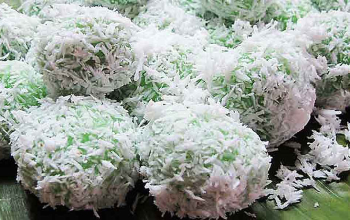
The classic bakpia — flaky crust with mung bean filling — remains timeless. But modern bakpia producers have introduced new flavors: chocolate, cheese, red bean, green tea, taro, and even durian. Some shops offer bakpia basah with a mochi-like texture (Suara.com).
Recent culinary reviews highlight innovations ranging from premium packaging to low-sugar variants targeted at health-conscious customers (Detik Jogja – Bakpia Rekomendasi).
This blend of authenticity and innovation keeps bakpia relevant, appealing to both traditional enthusiasts and new generations.
5. Bakpia in Tourism and Heritage
Bakpia plays a significant role in Yogyakarta’s tourism identity. Culinary tourists often list bakpia tasting as a must-do experience. Souvenir shops, travel itineraries, and airport stalls frequently feature bakpia as a top recommendation (Disway Jogja – Oleh-oleh Khas).
Cultural festivals like Bakpia Day enrich tourist experiences, offering immersive storytelling, community interaction, and culinary education (BacaJogja – Bakpia Day).
This consistent presence has transformed bakpia into a culinary ambassador for Yogyakarta — simple, sweet, and welcoming.
6. Bakpia as Heritage Storytelling
Bakpia beautifully captures Jogja’s heritage story: migration from China, adaptation to Javanese culture, and transformation through generations. The shift in ingredients, production methods, and flavors illustrates how culture evolves with community needs (Kompas – Sejarah Bakpia).
Every box represents a piece of this history — a story of resilience, creativity, and cultural blending shared across families, travelers, and generations.
7. The Future of Bakpia
Bakpia continues to evolve. Many producers are experimenting with new textures, richer ingredients, and more sustainable packaging. Premium bakpia brands are positioning themselves for the national and even international markets (Suara.com).
The challenge remains: keep the soul of bakpia intact while introducing modern elements. Given its history, bakpia will likely continue to grow while preserving its cultural identity.
Conclusion: A Living Heritage
Bakpia Jogja is more than a sweet treat. It represents migration, creativity, hospitality, and the unity of Jogja’s diverse cultural roots. With every bite, bakpia connects the past with the present, locals with visitors, and tradition with innovation.
It is a heritage you can taste — shared, remembered, and passed on.