
The Unique Charm of Yogyakarta: A City of Culture, Philosophy, and Timeless Traditions
Yogyakarta, often affectionately called Jogja, is one of Indonesia’s most iconic cultural cities. Beyond its famous landmarks and vibrant streets, Yogyakarta holds a deep spiritual and philosophical essence that sets it apart from other destinations. It is a city where heritage and modernity coexist harmoniously, and where every corner tells a story about simplicity, togetherness, and wisdom.
Below are six remarkable aspects that capture the true uniqueness of Yogyakarta.
1. Angkringan – The Symbol of Simplicity and Togetherness
No visit to Yogyakarta is complete without experiencing an angkringan—a small, mobile food stall serving simple yet beloved local dishes. Typically, you’ll find nasi kucing (tiny rice portions wrapped in banana leaves), various skewers like chicken liver or quail eggs, and a warm glass of wedang jahe (ginger tea).
But more than just a place to eat, an angkringan is a social space. People from all walks of life—students, workers, travelers, and street artists—sit side by side on the same wooden bench, sharing stories over affordable food. This humble setting perfectly reflects the Jogja spirit: humility, warmth, and equality.
Angkringan culture teaches an important lesson about how happiness and connection are often found in the simplest moments.
2. Andong – A Timeless Ride Through History
Among the motorcycles and cars that dominate modern streets, the andong—a traditional horse-drawn carriage—remains a charming reminder of Jogja’s past. The rhythmic sound of hooves and the gentle pace of the journey offer a glimpse into a slower, more reflective way of life.
Riding an andong through Malioboro Street or the Kraton (Royal Palace) area isn’t just transportation—it’s a cultural experience. Each ride feels like traveling back in time, allowing you to appreciate the heritage, artistry, and craftsmanship that continue to define Yogyakarta today.
The preservation of the andong is also a symbol of the city’s dedication to maintaining tradition amid modernization.
3. The Philosophical Axis – A City Built on Meaning
One of Yogyakarta’s most profound and lesser-known treasures is its Philosophical Axis, a UNESCO-recognized concept representing the city’s deep spiritual design. This imaginary line stretches from Mount Merapi in the north, through the Kraton, down to Parangtritis Beach in the south.
Each point along this axis carries symbolic meaning:
- Mount Merapi represents birth and origin, the source of life.
- The Kraton represents human existence and balance, where people live, work, and seek harmony.
- Parangtritis Beach represents death and the return to the universe.
Together, they embody a philosophy of life’s journey—a reminder that human existence is about maintaining balance between nature, spirituality, and society. This alignment is not only physical but also deeply spiritual, shaping how the people of Yogyakarta live and interact with their environment.
4. Batik – A UNESCO Intangible Cultural Heritage
Another gem of Yogyakarta’s identity is Batik, Indonesia’s traditional art of fabric decoration that has been officially recognized by UNESCO in 2009 as an Intangible Cultural Heritage of Humanity.
Yogyakarta is one of the centers of authentic Javanese batik, known for its classic motifs such as Parang, Kawung, Truntum, and Sido Mukti. Each design carries deep philosophical meaning, often symbolizing wisdom, patience, and harmony. Traditionally, certain motifs were reserved for royalty, especially within the Yogyakarta Palace.
Visitors can experience the art of batik-making firsthand in workshops around Taman Sari, Kasongan, or Batik Giriloyo Village. Beyond being a craft, batik represents the soul of Javanese identity, a bridge between generations, and a vivid expression of creativity that continues to thrive in modern fashion.
Through batik, Yogyakarta not only preserves tradition but also shares it proudly with the world.
Learn More about batik
5. A Special Region Led by a Sultan for Life
Yogyakarta stands apart from other provinces in Indonesia due to its special political status as a Special Region (Daerah Istimewa Yogyakarta). What makes it truly unique is that the Sultan of Yogyakarta serves as the Governor for life.
This arrangement is rooted in history. During Indonesia’s struggle for independence, the Yogyakarta Sultanate played a crucial role in supporting the young republic, both politically and financially. In recognition of this contribution, the government granted Yogyakarta its special autonomous status, which continues today.
The leadership of the Sultan is more than a formality—it embodies continuity, cultural identity, and moral authority. The Sultan’s role bridges tradition and governance, ensuring that the city’s development remains rooted in cultural values.
6. Malioboro – The Heartbeat of Yogyakarta
At the heart of the city lies Malioboro Street, Yogyakarta’s most famous and lively boulevard. Day or night, Malioboro is always bustling—with street vendors selling batik, musicians performing local tunes, and the aroma of coffee and traditional snacks filling the air.
Walking down Malioboro is an immersive cultural journey. You can shop for souvenirs, ride a becak (pedicab) or andong, and enjoy the city’s colorful nightlife—all while observing the friendly and welcoming nature of Jogja’s people. Malioboro is not just a street; it’s the soul of Yogyakarta, a space where art, culture, and community come together.
For many, a trip to Malioboro evokes a nostalgic sense of belonging—proof that Yogyakarta’s magic is not only seen but felt.
Conclusion: Yogyakarta, A City with a Soul
What makes Yogyakarta truly unique is not just its royal heritage or cultural landmarks—it’s the philosophy of life that permeates every aspect of the city. From sharing meals at an angkringan to contemplating the meaning behind the Philosophical Axis, or from riding an andong to crafting batik, visitors are reminded that happiness lies in harmony, humility, and connection.
Yogyakarta is more than a destination.
It’s a feeling—one that stays with you long after you leave.
That’s why people often say:
“You don’t just visit Jogja. You come home to it.”


Maybe you are interested in reading the following article:

Surjan : A Deep Study Javanese Traditional Garment
Learn about Surjan, Yogyakarta’s traditional Javanese attire. Discover its history, symbolism, cultural values, and role in palace traditions. read more

The Unique Charm of Yogyakarta: A City of Culture, Philosophy, and Timeless Traditions
The Unique Charm of Yogyakarta: A City of Culture, Philosophy, and Timeless Traditions Yogyakarta, often affectionately called Jogja, is one of Indonesia’s most iconic cultural cities. Beyond its famous landmarks and vibrant streets, Yogyakarta holds a deep spiritual and philosophical essence that sets it apart from other destinations. It is a city where h... read more
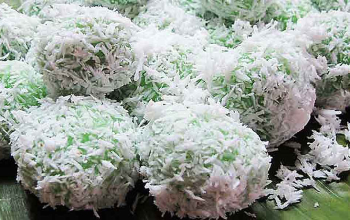
Klepon: History, Cultural Identity, and Evolution of Indonesia’s Iconic Sweet Treat
Klepon — bright green, chewy rice-flour balls filled with molten palm sugar and coated in freshly grated coconut. most beloved traditional sweets. read more



Contact Us
If you have any questions, please contact us.
-
Hotline
+6281578701572 -
Whatsapp
+6281578701572 -
Messenger
Surjantour -
Email
surjantoursales@gmail.com


