
The Royal Flavors of Yogyakarta: The Story Behind Mangut Lele
4 November 2025 31x Heritage
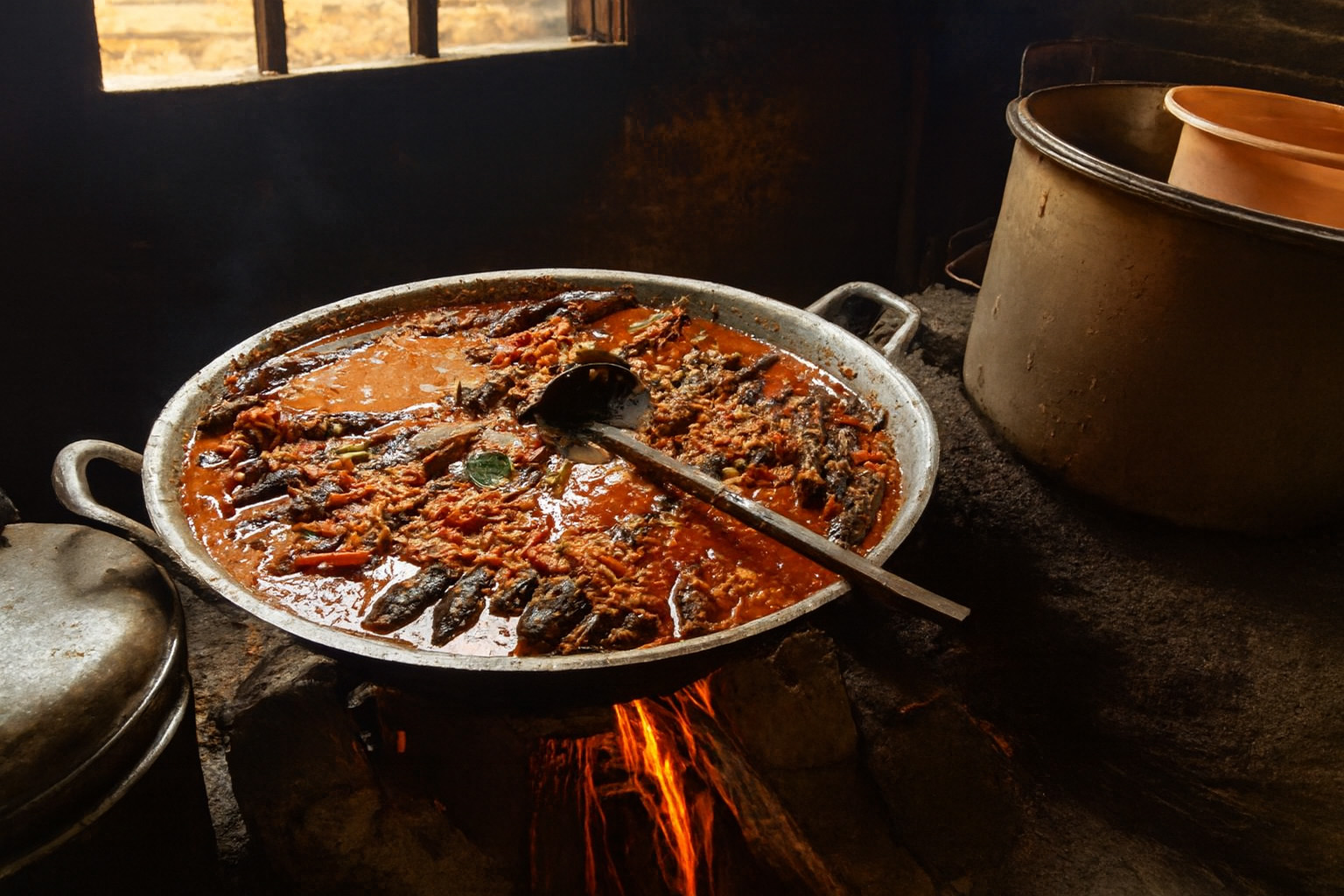
In the heart of Yogyakarta, where royal traditions blend seamlessly with everyday life, one humble dish tells a story of history, heritage, and heat — Mangut Lele. More than just a spicy smoked catfish stew, this dish carries the essence of Javanese soul food. Once served exclusively within the royal palace of the Sultan, Mangut Lele later found its way to the homes and warungs of common people, evolving into a culinary icon that embodies the warmth of Jogja’s culture. Its smoky aroma, rich coconut broth, and fiery chili flavor capture not only the taste of Java but also the spirit of perseverance — from the royal kitchen to the legendary warung of Mbah Marto.
Mangut Lele: Yogyakarta’s Smoky Catfish Legend
In the heart of Java, amidst the cultural richness of Yogyakarta and the old Mataram courts, one dish quietly rose from royal kitchens to become a local culinary icon: mangut lele. This fragrant, spicy catfish stew — simmered in coconut milk and infused with smoky aroma — is more than just food; it is a flavorful thread in the fabric of Yogyakarta’s tradition and history.
A Palace Delicacy Shared with the People
The origins of mangut lele trace back to the courtyards of the sultan’s palace. According to regional culinary history, the dish was once reserved for the royal family, prepared with the finest ingredients and served in the refined ceremonial kitchens of the court.
It was Sri Sultan Hamengku Buwono VII who made the pivotal decision to open this once-secret dish to all—ushering the recipe from palace exclusivity into the heart of Yogyakarta’s everyday dining.
The Legend of Mbah Marto: From Pikulan to Icon
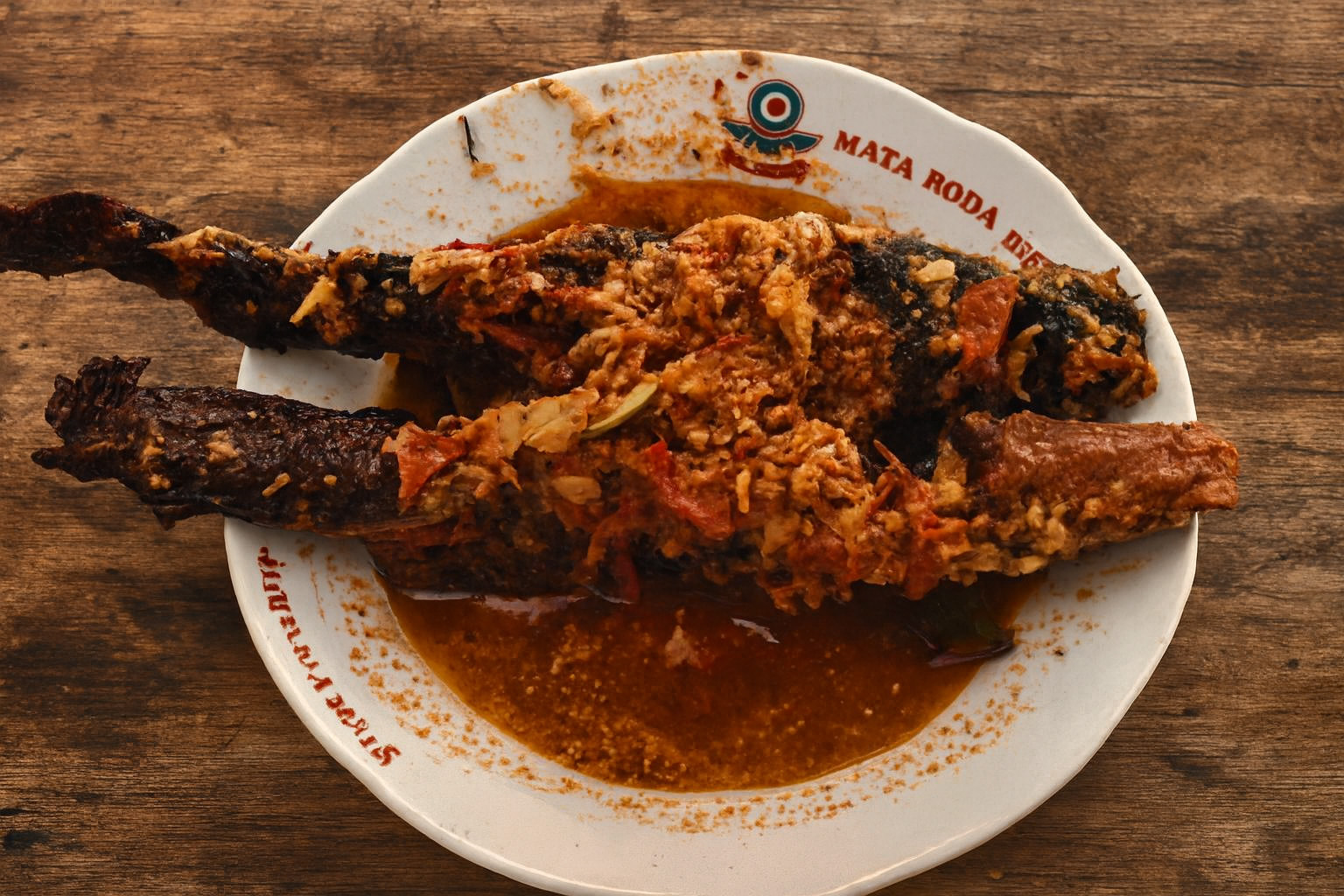
No story of mangut lele would be complete without the name Mbah Marto Ijoyo (also known as Mbok Marto), a remarkable woman whose determination carried this flavor tradition forward.
Her journey began in 1969, when she carried her food in a pikulan (shoulder-pole tray) from village to village across Bantul and Yogyakarta — long before restaurants or food blogs existed. She walked miles, selling her spiced smoked catfish until loyal customers followed her to her own humble home-warung in Sewon, Bantul, by 1986.
Today, her name remains synonymous with “real Yogyakarta mangut lele” — a testimony to grit, flavour and cultural heritage.
What Makes It Unique
Mangut lele stands out in more ways than one:
- It uses catfish (lele), often first fried or smoked, then cooked in a rich coconut milk sauce loaded with spices like galangal, lemongrass, chili, candlenut and turmeric.
- In some versions—from Bantul in particular—the catfish is smoked over coconut husk or coconut fibre embers, giving it the signature smoky aroma and flavour.
- Unlike many dishes that are purely savoury, this recipe balances creaminess, heat, smokiness and depth — truly a sensory journey.
- The cultural context adds value: eating mangut lele is not only about flavour, but about connection to Javanese history, tradition and locality.
Why It Matters for Visitors
For anyone visiting Yogyakarta, trying mangut lele is a way into the city’s soul. It offers:
- A taste of royal history – the dish is rooted in court cuisine, now shared with the public.
- An authentic local dining experience – many warungs serve it in humble, village-style kitchens where tradition lives on.
- A cultural story on a plate – the story of Mbok Marto, the transformation of a street vendor to local legend, reflects the spirit of Yogyakarta.
- A memorable flavour – the smoky, spicy profile is rare and distinct among Indonesian dishes.
How It’s Made (Quick Overview)
- The fresh catfish is cleaned, often marinated with lime or salt to remove fishy odor.
- The fish may be smoked or grilled (especially in the Bantul version) to develop a deep, smoky flavour.
- A spice paste is created with shallots, garlic, candlenut, sichuan pepper-style chillies, galangal, lemongrass and other local aromatics.
- Coconut milk is simmered gently with the spices until thickened. The fish is added and allowed to absorb the sauce fully.
- The dish is served piping hot, often with steamed rice, and sometimes accompanied by local vegetables or sambal.
A Dish That Keeps Tradition Alive
Mangut lele continues to live not just on plates, but in local stories and the identity of Yogyakarta. Places like the original warung of Mbok Marto in Sewon are pilgrimage-like destinations for food-loving visitors.
In a city known for its sophistication and history, this humble dish reminds us that heritage is often found in simple ingredients and the hands that prepare them.


Maybe you are interested in reading the following article:

Surjan : A Deep Study Javanese Traditional Garment
Learn about Surjan, Yogyakarta’s traditional Javanese attire. Discover its history, symbolism, cultural values, and role in palace traditions. read more

Traditional Culinary Souvenirs from Yogyakarta: Authentic Tastes to Take Home
Traditional Culinary Souvenirs from Yogyakarta: Authentic Tastes to Take Home Published by: Surjan Tour| Date: October 25, 2025 Introduction: Bringing the Taste of Jogja Home Yogyakarta, affectionately known as Jogja, is a city where culture, tradition, and flavor come together in perfect harmony. For visitors, it’s not just the temples and heritage that l... read more

The Unique Charm of Yogyakarta: A City of Culture, Philosophy, and Timeless Traditions
The Unique Charm of Yogyakarta: A City of Culture, Philosophy, and Timeless Traditions Yogyakarta, often affectionately called Jogja, is one of Indonesia’s most iconic cultural cities. Beyond its famous landmarks and vibrant streets, Yogyakarta holds a deep spiritual and philosophical essence that sets it apart from other destinations. It is a city where h... read more
Bakpia Jogja
Discover Bakpia Jogja’s history, culture, flavors, UMKM impact, and tourism role. Explore Yogyakarta’s iconic pastry loved by travelers worldwide. read more






Contact Us
If you have any questions, please contact us.
-
Hotline
+6281578701572 -
Whatsapp
+6281578701572 -
Messenger
Surjantour -
Email
surjantoursales@gmail.com


